Increase integrity. Reduce shame. Don’t stay trapped.
The oldest diagnosis in the book
Scripture has a word for what happens when a good desire becomes a master: slavery. “Everyone who practices sin is a slave to sin” (John 8:34) — and Paul describes desire’s escalation with clinical precision: desire conceives, gives birth to sin, and sin grows (James 1:14–15). If you’ve promised yourself a hundred times that this was the last time — or a discovery just blew your life open — you don’t need convincing that “just try harder” doesn’t free slaves. You need what Scripture holds out: truth, light, community, and rescue (John 8:36). And you need it delivered with clinical skill.
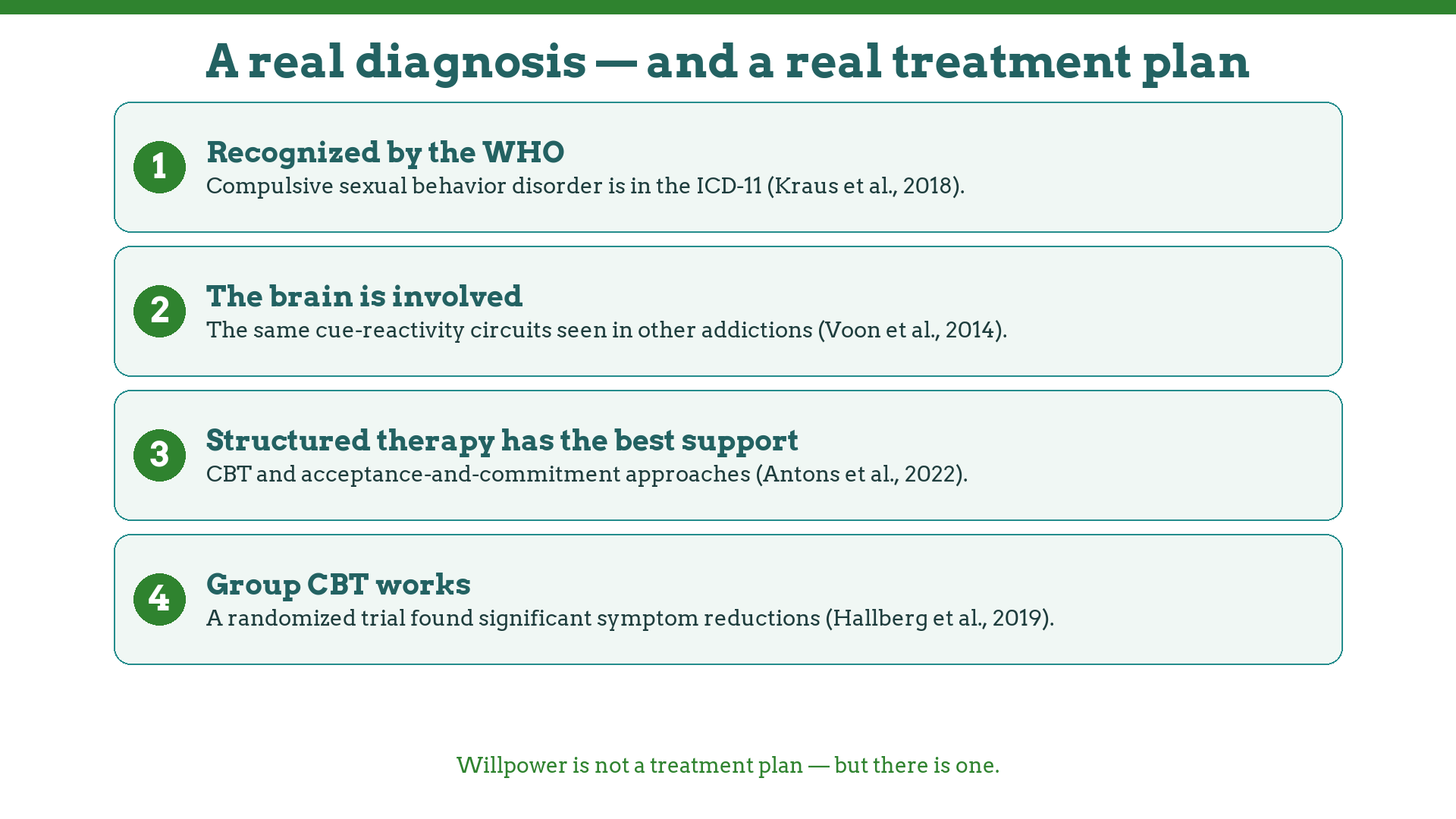
Modern medicine has caught up to the diagnosis. The World Health Organization’s ICD-11 now includes compulsive sexual behavior disorder — a persistent pattern of failure to control intense sexual impulses producing distress and impairment — among its recognized diagnoses (Kraus et al., 2018; Reed et al., 2019). Reviews of the clinical literature describe its features and the treatments with the best support (Derbyshire & Grant, 2015), and neuroimaging finds that compulsive sexual behavior involves the same cue-reactivity brain circuits seen in other addictions (Voon et al., 2014). That’s the psychosomatic reality of an embodied soul: the habit you formed in secret has been training your brain the whole time. Willpower is not a treatment plan — but there is one.
What treatment looks like
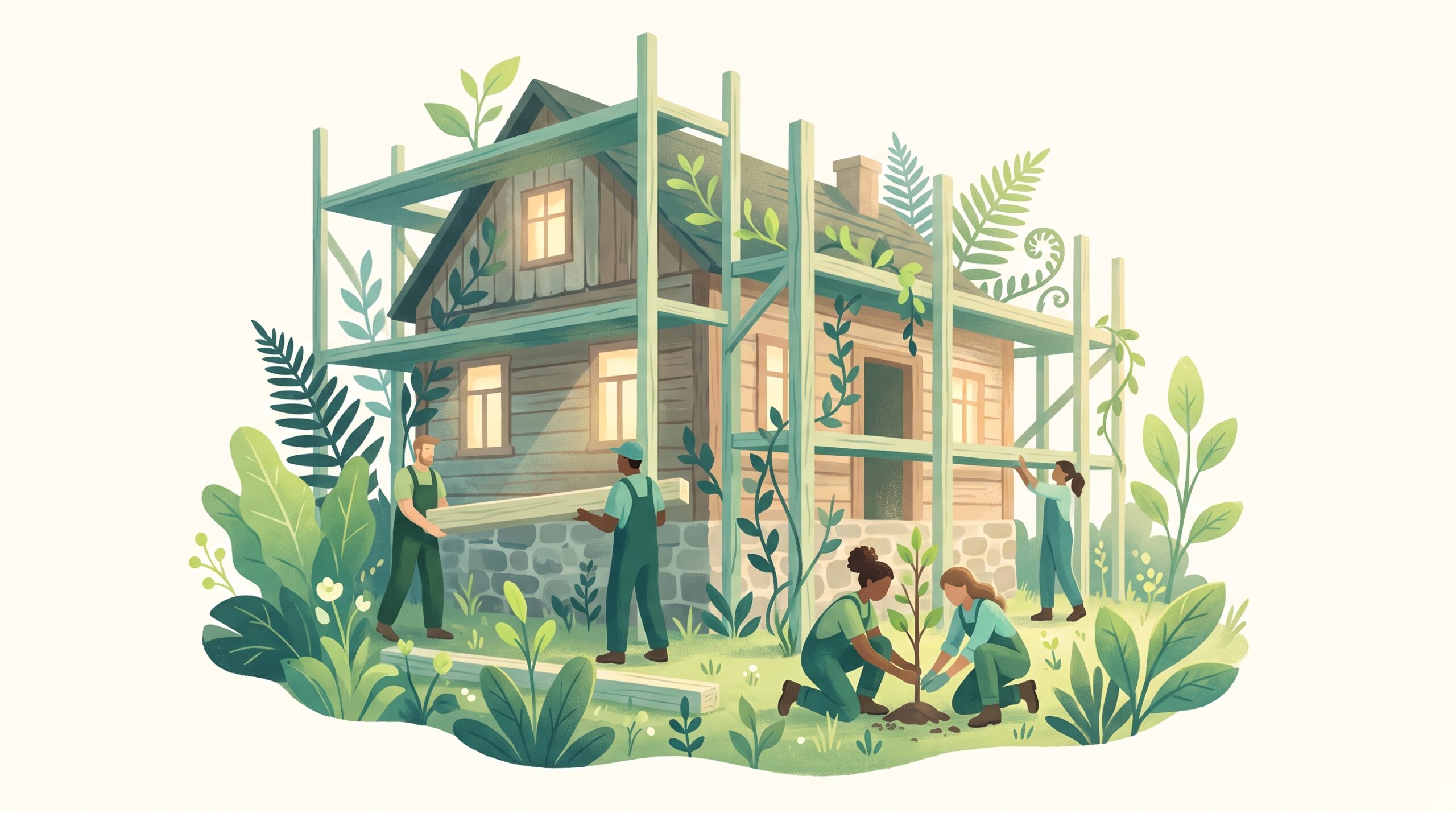
Reviews of treatments for compulsive sexual behavior find the strongest current support for structured psychotherapy — especially cognitive-behavioral and acceptance-and-commitment approaches — sometimes combined with medication and group support (Antons et al., 2022), and a randomized controlled trial of group CBT for hypersexual disorder found significant symptom reductions (Hallberg et al., 2019). At Restored Life, that means:
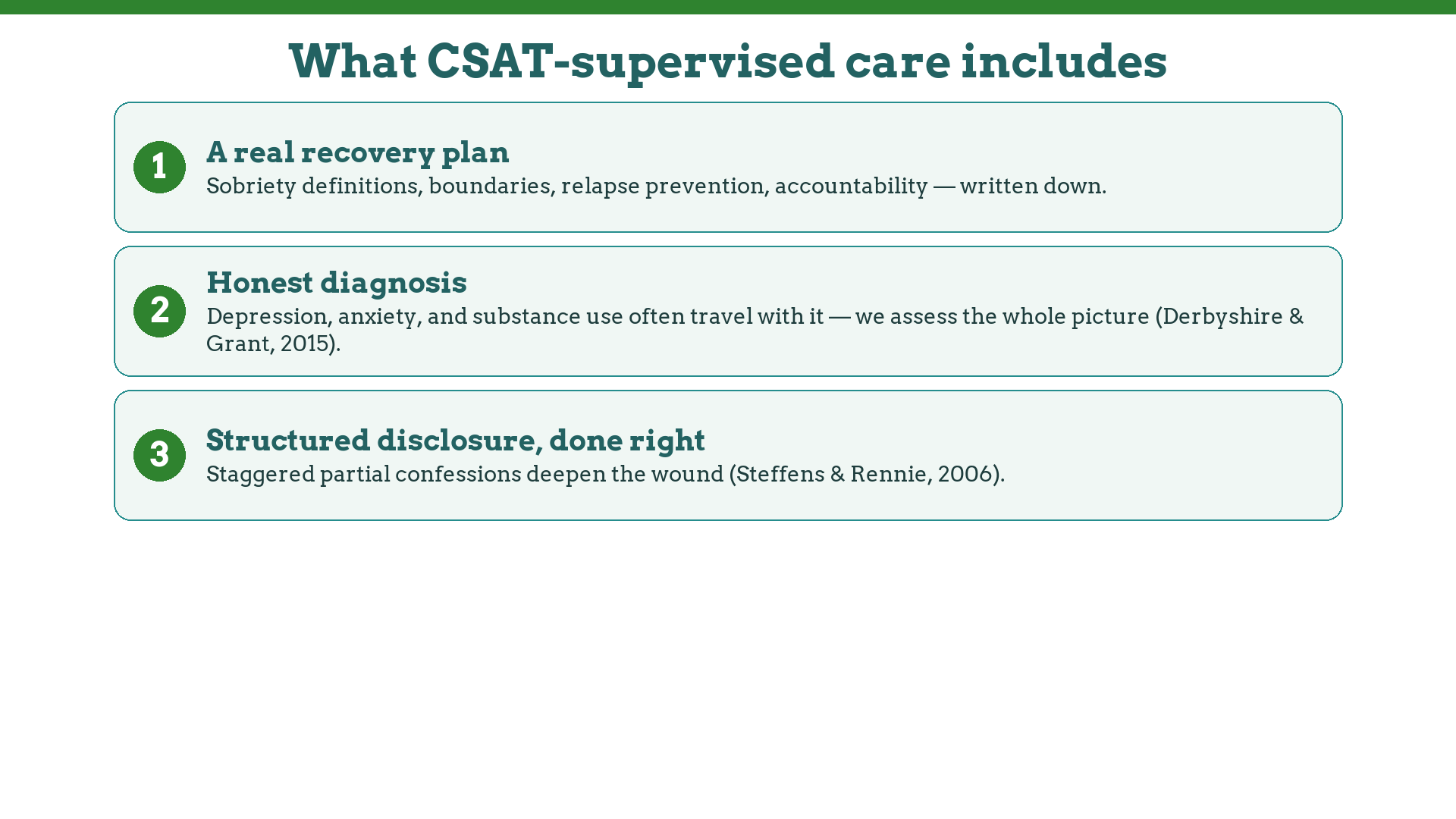
- CSAT-supervised care. Our team is supervised by a Certified Sex Addiction Therapist in practice since 2014, using a structured task-based recovery model — not generic talk therapy.
- A real recovery plan. Sobriety definitions, boundaries, relapse-prevention structure, and accountability — “make no provision for the flesh” (Romans 13:14) turned into a written, workable document. Start with our guide: How to write your first sex or porn addiction recovery plan.
- Honest diagnosis. Reviews document how often compulsive sexual behavior co-occurs with depression, anxiety, and substance use (Derbyshire & Grant, 2015) — so we assess the whole picture (see how we diagnose sex addiction), and our free, anonymous survey screens the challenges that feed the cycle.
- Structured disclosure, done right. When a spouse is involved, we’ve seen how staggered partial confessions deepen the wound — and the research on disclosure trauma backs it (Steffens & Rennie, 2006). We guide full therapeutic disclosure so honesty rebuilds rather than wounds.
Recovery happens in community
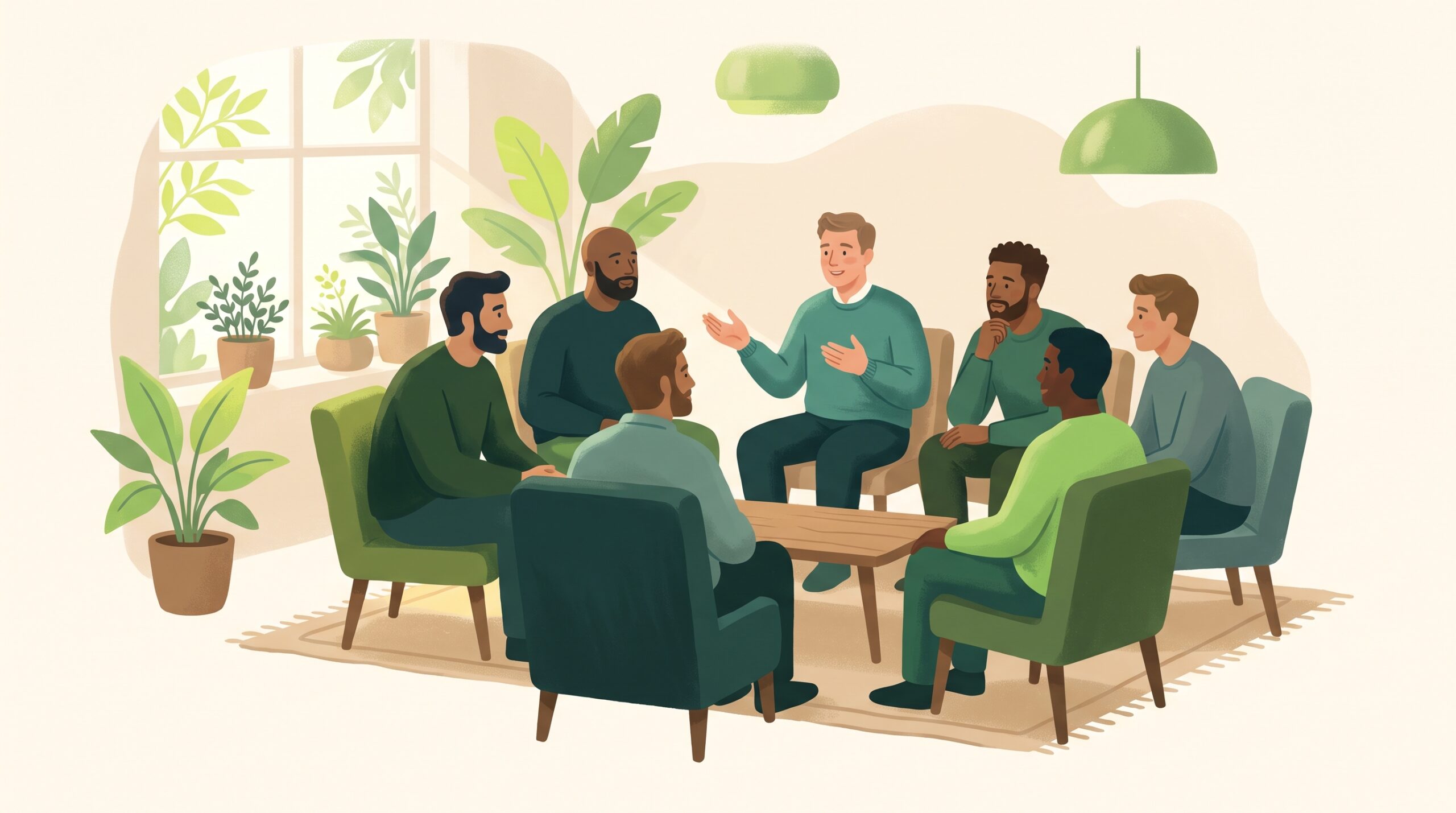
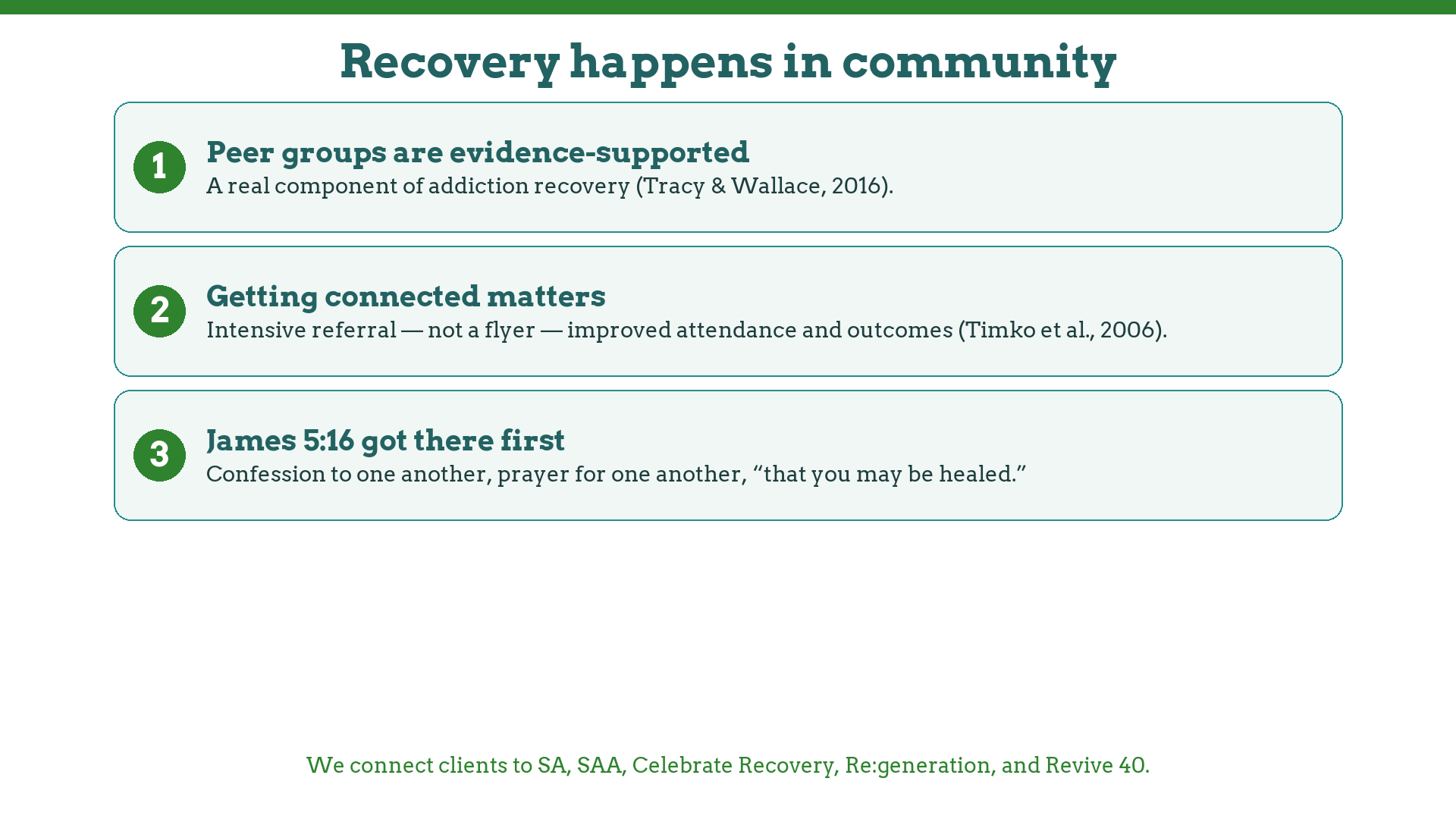
Isolation feeds addiction; connection starves it — “whoever isolates himself seeks his own desire; he breaks out against all sound judgment” (Proverbs 18:1). Peer support groups are an evidence-supported component of addiction recovery (Tracy & Wallace, 2016), and a randomized trial found that intensive referral to 12-step groups — actually getting connected, not just handed a flyer — improved attendance and outcomes (Timko et al., 2006). James 5:16 — confession to one another, prayer for one another, “that you may be healed” — is the oldest group-recovery charter on record; the modern recovery movement rediscovered it. We actively connect clients to trusted groups — SA, SAA, Celebrate Recovery, Re:generation, and Revive 40 — across the Phoenix Valley and Washington.
Your marriage can heal too
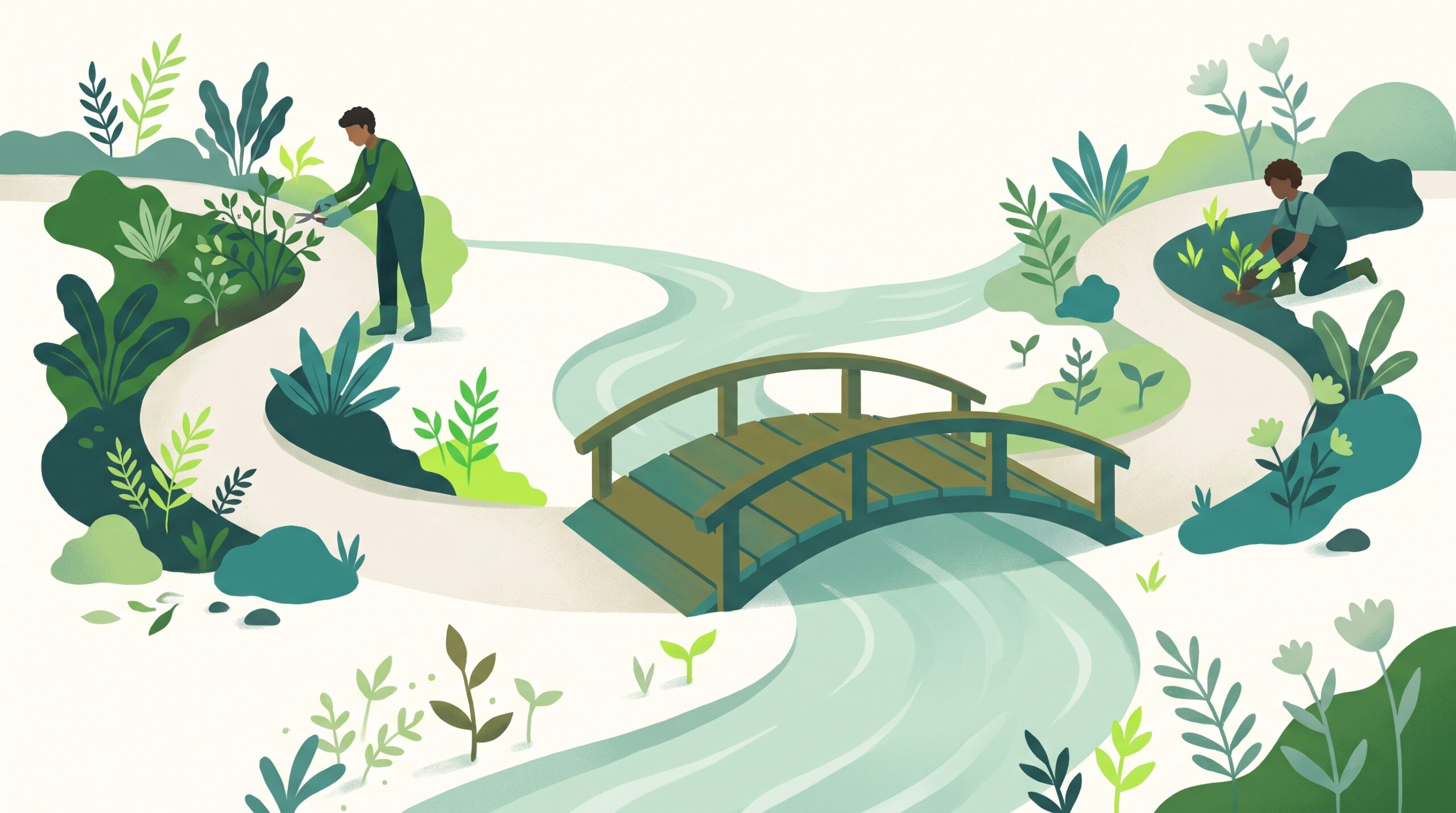
If you’re married, your recovery and your spouse’s healing are two different journeys that need coordinated care. Our in-house model pairs your individual recovery work with your spouse’s betrayal trauma counseling and, when you’re both ready, couples work — two or three therapists, one team, one plan.
Grace-driven, clinically structured
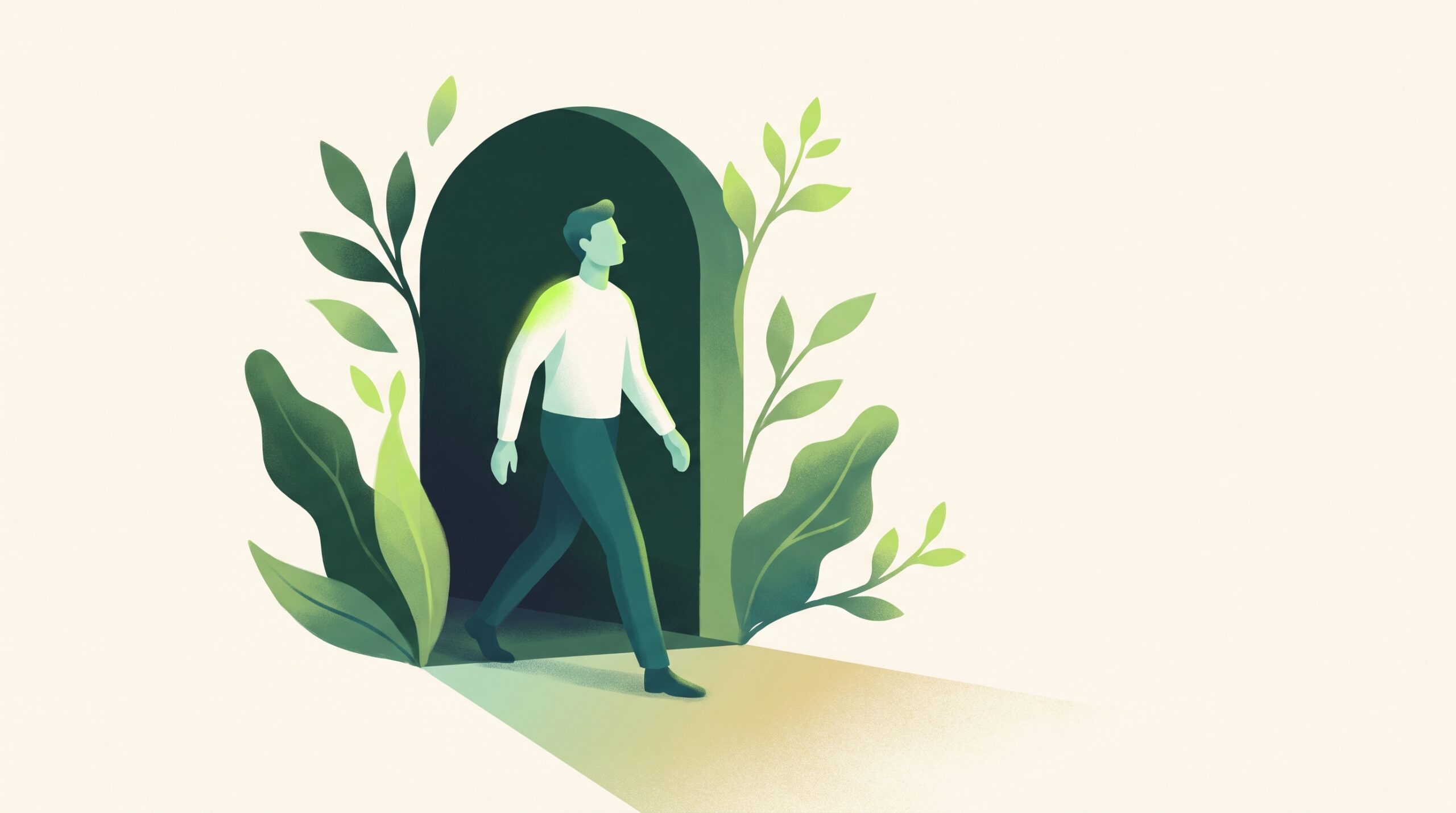
Shame says hide; grace says come into the light (1 John 1:7). We are a Christian practice, and in addiction work that identity earns its keep: “sin management” alone doesn’t heal, and neither does therapy that ignores your soul. Recovery that lasts is built on a new identity, not just a new schedule — “if anyone is in Christ, he is a new creation” (2 Corinthians 5:17) — and then that identity is worked out in disciplined, structured, accountable practice.
The research agrees the two belong together: spirituality and religiosity are meaningfully woven into how many people actually recover in mutual-aid settings (Atkins & Hawdon, 2007), and religiously integrated psychotherapy performs at least as well as standard care, with added spiritual benefit (Smith et al., 2007; Captari et al., 2018). Confession, accountability, and identity in Christ, integrated with clinically structured recovery — that’s the whole practice, on one page.
Sex addiction counseling in Glendale, AZ — and online
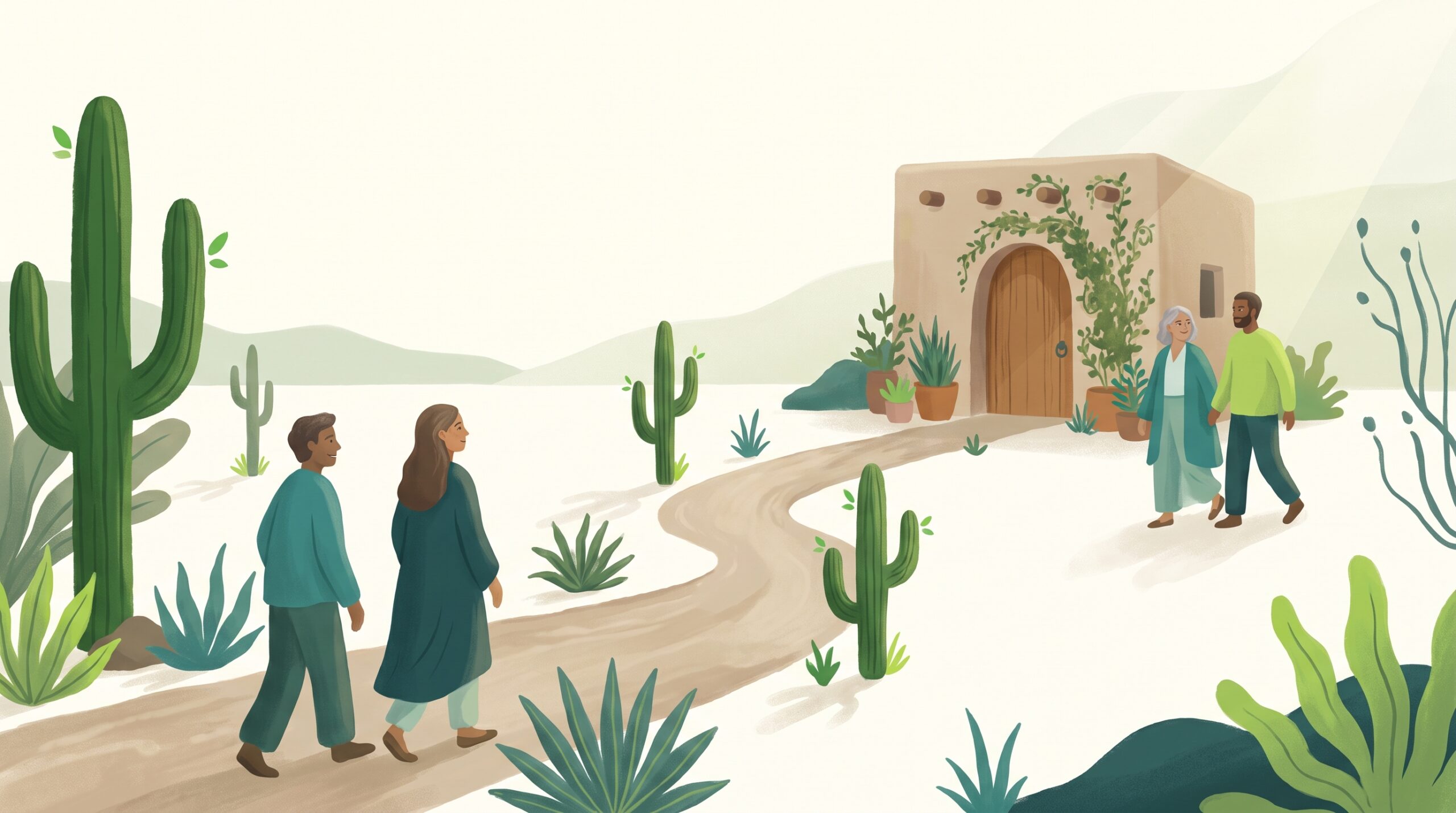
We provide sex addiction counseling in person in Glendale, Arizona (17230 N 59th Ave, inside Faith Bible Church — serving Glendale, Peoria, and the north Phoenix Valley) and by telehealth across Arizona and Washington. We accept most major insurance plans and offer a sliding scale with price ranges. Struggling primarily with porn? See porn addiction recovery.
Start today
Every day you wait, the secret gets heavier. “Whoever conceals his transgressions will not prosper, but he who confesses and forsakes them will obtain mercy” (Proverbs 28:13). Confidential help is one form away.
Save and share
Pin or share these — someone you love may need them today.
References
- Antons, S., Engel, J., Briken, P., Krüger, T. H. C., Brand, M., & Stark, R. (2022). Treatments and interventions for compulsive sexual behavior disorder with a focus on problematic pornography use: A preregistered systematic review. Journal of Behavioral Addictions, 11(3), 643–666. https://doi.org/10.1556/2006.2022.00061
- Atkins, R. G., & Hawdon, J. E. (2007). Religiosity and participation in mutual-aid support groups for addiction. Journal of Substance Abuse Treatment, 33(3), 321–331. https://doi.org/10.1016/j.jsat.2007.07.001
- Captari, L. E., Hook, J. N., Hoyt, W., Davis, D. E., McElroy-Heltzel, S. E., & Worthington, E. L., Jr. (2018). Integrating clients’ religion and spirituality within psychotherapy: A comprehensive meta-analysis. Journal of Clinical Psychology, 74(11), 1938–1951. https://doi.org/10.1002/jclp.22681
- Derbyshire, K. L., & Grant, J. E. (2015). Compulsive sexual behavior: A review of the literature. Journal of Behavioral Addictions, 4(2), 37–43. https://doi.org/10.1556/2006.4.2015.003
- Hallberg, J., Kaldo, V., Arver, S., Dhejne, C., Jokinen, J., & Öberg, K. G. (2019). A randomized controlled study of group-administered cognitive behavioral therapy for hypersexual disorder in men. Journal of Sexual Medicine, 16(5), 733–745. https://doi.org/10.1016/j.jsxm.2019.03.005
- Kraus, S. W., Krueger, R. B., Briken, P., First, M. B., Stein, D. J., Kaplan, M. S., Voon, V., Abdo, C. H. N., Grant, J. E., Atalla, E., & Reed, G. M. (2018). Compulsive sexual behaviour disorder in the ICD-11. World Psychiatry, 17(1), 109–110. https://doi.org/10.1002/wps.20499
- Reed, G. M., First, M. B., Kogan, C. S., Hyman, S. E., Gureje, O., et al. (2019). Innovations and changes in the ICD-11 classification of mental, behavioural and neurodevelopmental disorders. World Psychiatry, 18(1), 3–19. https://doi.org/10.1002/wps.20611
- Smith, T. B., Bartz, J., & Richards, P. S. (2007). Outcomes of religious and spiritual adaptations to psychotherapy: A meta-analytic review. Psychotherapy Research, 17(6), 643–655. https://doi.org/10.1080/10503300701250347
- Steffens, B. A., & Rennie, R. L. (2006). The traumatic nature of disclosure for wives of sexual addicts. Sexual Addiction & Compulsivity, 13(2–3), 247–267. https://doi.org/10.1080/10720160600870802
- Timko, C., DeBenedetti, A., & Billow, R. (2006). Intensive referral to 12-step self-help groups and 6-month substance use disorder outcomes. Addiction, 101(5), 678–688. https://doi.org/10.1111/j.1360-0443.2006.01391.x
- Tracy, K., & Wallace, S. P. (2016). Benefits of peer support groups in the treatment of addiction. Substance Abuse and Rehabilitation, 7, 143–154. https://doi.org/10.2147/sar.s81535
- Voon, V., Mole, T. B., Banca, P., Porter, L., Morris, L., et al. (2014). Neural correlates of sexual cue reactivity in individuals with and without compulsive sexual behaviours. PLoS ONE, 9(7), e102419. https://doi.org/10.1371/journal.pone.0102419
Method note: sources were identified via OpenAlex and Scite literature search and screened for retractions and editorial notices via Scite before citation. Scripture quotations are from the ESV. This page was prepared with AI assistance and reviewed by Restored Life Counseling’s clinical staff.